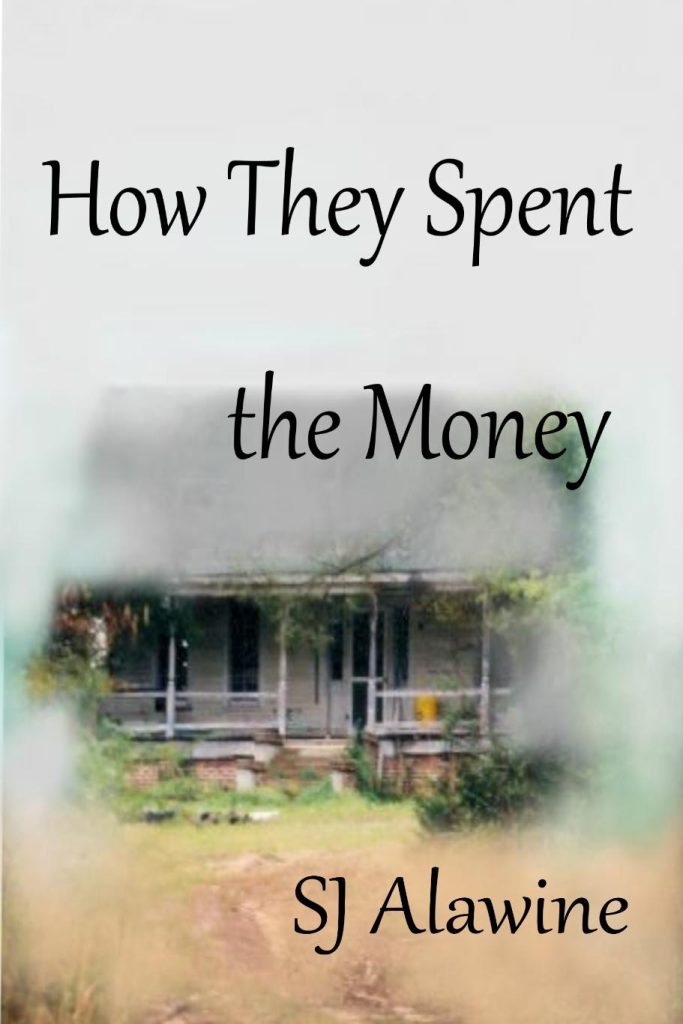
An unsolved crime from the past returns to haunt a small town just beginning to resurrect itself from its own death.
It’s the archetypal struggle of small Southern towns—how to move on, and what to keep from the wreckage of its past. A new company comes in; its CEO gets the chance to emerge from his own dark place; the town quietly resents it, but accepts the salvation it may bring.
Ranse Moore, whose family historically gave the town its name, has discovered the meaning of penance and hubris and has come to realize he’s done all he can and has to move on, too.
And Sara, a “local celebrity”, an artist and teacher raising a teenaged daughter on her own, recognizes that not all “bombs” are real, that some do their damage and clear a new way forward. For her, the hardest part of dealing with the destruction will be figuring out if she can let go of the men in her life who have controlled decisions she has to make on her own.
The family matriarch dies, leaving her estate to her heirs—contingent on whether they can show they’re something more than merely greedy. But will the provisions her lawyers worked out hold up in court?
All those things, and monuments over empty graves; a woman who attends any funeral she finds out about; a relative who may or may not be responsible for a cousin’s death—all are to be recorded in Maggie’s files, since she’s inherited the role of “family historian,” somewhat against her will.
But what actually constitutes “family”?
She ponders this as on the fading of her long marriage, and as she and her cousin Berry speculate on how the relatives will be spending their inheritance….